Sticking Doors in Dallas: Door Problem or Foundation Problem?
Dallas clay moves with the seasons, and your doors are often the first thing to tell you.
October 16, 2026 · 4 min read
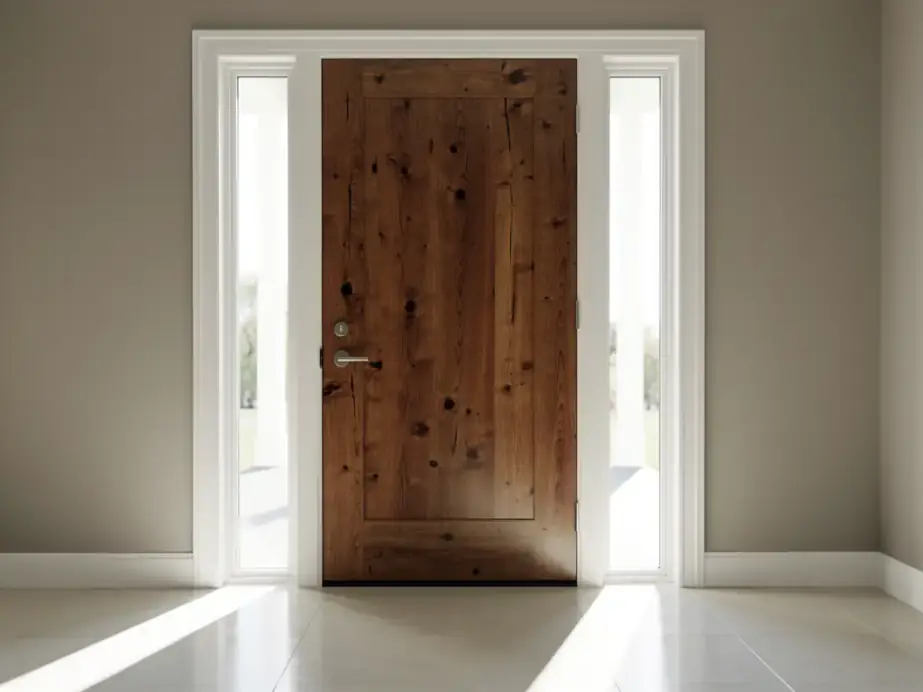
If you live in Dallas, you've probably had a door that rubbed in July and swung freely in March, or a bedroom door that suddenly won't latch. It's one of the most common complaints in local houses, and it isn't always a sign of something serious. Sometimes it's a loose hinge. Sometimes the house is moving. Knowing the difference helps you decide who to call first.
Why doors and trim move in Dallas houses
Much of the soil around Dallas is expansive clay. It swells when it's wet and shrinks when it's dry, and in a hot, dry summer followed by heavy rain, that cycle can be dramatic. A house sitting on that soil can rise and settle by small amounts through the seasons, and the framing, drywall, doors and trim all feel it.
A door is a good indicator because it's a rectangle that has to fit another rectangle with a gap of only a fraction of an inch all the way around. When the opening shifts even slightly out of square, the door tells on it right away. Humidity matters too: wood doors swell in damp weather and shrink in dry spells, which is a normal reason for seasonal rubbing.
Reading the signs
- Rubbing at the head jamb, the top of the door, usually means the opening has dropped or racked out of square.
- Uneven reveals, where the gap between door and jamb is wide at the top on one side and tight at the bottom, point to an opening that's no longer square.
- Diagonal cracks in drywall running up from the corners of a door or window opening are a classic sign of movement in the wall.
- A door that swings open or shut on its own suggests the frame is out of plumb.
- Gaps opening between trim and wall, or crown molding pulling apart at the corners, can go along with the same movement.
- Several doors across the house acting up at once is more telling than a single problem door.
When it's a door job
If one door is the only issue, and there are no cracks in the walls or ceiling around it, the cause is often local. Hinge screws may have loosened in a soft jamb, the door may have swollen with humidity, or it may have been hung poorly to begin with. Those are straightforward fixes: tightening or re-seating hinges, planing or trimming the door, adjusting the strike plate, or taking the door out and reinstalling it properly in the opening.
When to have the foundation checked first
If you see diagonal drywall cracks, multiple sticking doors, gaps opening at trim or floors that slope noticeably, get a foundation specialist to look at the house before you spend money on doors. We want to be clear about this: KD Installations & Remodeling is a remodeler, not a foundation company. We can fit a door, but we can't tell you whether your slab or piers need work, and re-hanging doors in a house that's still moving only buys you a few months.
Once a foundation professional has assessed the house, and any needed work is done, that's the right time to bring in a remodeler to reset doors, repair trim and fix drywall. Doing it in that order saves you from paying twice.
What a properly installed door involves
A door that stays right for years starts with the frame. The jamb is set plumb, level and square, then secured with shims placed behind the hinges and at the strike plate, so the screws pull the frame against solid support instead of drawing it out of shape. The door gets an even reveal all the way around, so it swings freely and latches without being forced.
- Shims at each hinge location and at the strike, not just a few at random
- A frame checked with a level and a square as it's fastened, not after
- Hinge screws long enough to reach the framing behind the jamb
- Weatherstripping on exterior doors, so the seal compresses evenly against the door
- A threshold that's sealed to the floor and the sill, so wind-driven rain and bugs stay out
- Painted or sealed edges, including the top and bottom, so humidity doesn't swell the door
A fair way to start
Take photos of the cracks and the gaps, note which doors are acting up and when it's worst, and share that with whoever you call. If you're not sure whether you have a door issue or a bigger one, begin with the foundation specialist, then come back to the carpentry afterward.
Need a door installed, reset or replaced in Dallas? Call or text KD Installations & Remodeling at (682) 268-4055, or email contact@kdinstallationsandremodeling.com, to request a quote.
KD Installations & Remodeling, LLC, (682) 268-4055
Call (682) 268-4055More articles
Remodeling a Pre-1978 Dallas Home: Lead-Safe Basics
If your house predates 1978, the dust from a remodel matters as much as the finished room.
Kitchen Remodel or Refresh? How to Decide Before You Call
The difference between a refresh and a remodel usually comes down to whether the layout is the problem.